
Top Seven Healthy Carbs I Love
Hey there, my friend. I hope you’re having an amazing day. This is Dr. Anthony Balduzzi. I’m the founder and CEO here. In today’s video, I want to go over the top seven healthy carbs that I absolutely love.
So this is my personal list of my favorite carbohydrate-containing foods to promote health and energy, and these are things I’m getting into my body on a regular basis. Now, in this video, what I want to do is break down this list. We’re going to get into what these exact foods are, how I prepare them, some of the science.

Why You’ll Love This
I believe that carbohydrates, the specific right kinds of foods, can actually enhance your health tremendously, and I think I’m going to prove that to you from some of the research, and I also incorporate these seven foods into my diet to increase my energy and my performance.

Ingredients
- Organic Berries (such as raspberries, blueberries)
- Ezekiel bread (or another kind of sprouted organic bread)
- Sweet potatoes or yams (or pretty much any other kind of tuber)
- Squash (like butternut squash or summer squash)
- Quinoa
- Pressure-cooked beans or lentils
- Long grain white rice
Spoken Moment
I want to say a couple things before we get into this video. Number one, it’s very important that you pick the right kinds of carbs in your diet. Right now, we see a trend where there’s a lot of people moving to low-carb diets, whether it’s a pure ketogenic diet or just cutting out the carbs, and I believe that’s a very good thing because we look at the kind of foods that are causing disease and illness in today’s culture. It is sugar. It is processed refined grains, lots of white stuff, a lot of inflammatory foods, and we want to move away from those, and we want to get to a more natural, less processed diet, and oftentimes, it means we’re lowering our carb intake.
But I think there’s also a point here to say is a lot of people have almost villainized carbohydrates as this like a bad thing, like you don’t want carbs, and I personally don’t believe that’s true.
Now, these seven foods that I’m about to share with you are not like the only seven healthy carbohydrates. They’re just my personal preference, so there may be a food that doesn’t make this list that I made that might be incredibly healthy and a carbohydrate-containing food, so just know that. So let’s get into this list of my favorite carbohydrate-containing foods.
Most people know that berries are very healthy for you, and they’re absolutely phenomenal for so many reasons. One of the reasons is that berries give you this combination of vitamins, minerals, energy in the form of sugar, but also a lot of fiber at the same time. So let’s look at like a raspberry, for example. This guy is amazing. So you get like a one cup of raspberries, and it’s going to have like 15 grams of carbs, and half of those carbs are fiber. But you’re also getting a lot of these antioxidant nutrients. Like in nature, anything that is a bright, vibrant color, like the red of the raspberries, the blue of the blueberries, is coming from these specific compounds that make the food that color.
So like carrots are orange. They have something called beta-carotene that makes them orange, and beta-carotene is a precursor to vitamin A, gives us lots of health benefits. Blueberries are blue because they have these things called proanthocyanidins in them, and they just give us a ton of health benefits. So berries are colorful. They’re just jam-packed with nutrients. Yes, they do have some sugar, but if you look at the overall glycemic impact, like how your blood sugar spikes or doesn’t based on berries, it gives you a very gradual spike. It’s not like eating a piece of white bread or really refined carbohydrate, but you get a huge spike and a huge crash, and berries give you level, clean energy, which I love. So I love that.
I want to talk about the cholesterol. So I want to read a couple things. This is a controlled study in obese people who were eating 1.5 ounces of freeze-dried blueberries for eight weeks. They noticed a 28% reduction in their oxidized LDL levels. So LDL is a particular kind of cholesterol that people call bad cholesterol. Turns out it’s only really bad if it’s a small dense type or if it gets oxidized. Well, these guys, the antioxidants in berries protect those fats and the cholesterol in your body from getting oxidized. So that’s very good. So they did a study with obese people with insulin resistance, so on the spectrum of becoming diabetic, who drank a blueberry smoothie twice per day and experienced greater improvements in insulin sensitivity than those who consumed berry-free smoothies. So look, there’s sugar in there, but they’re improving their insulin levels because the whole concert and the host of stuff in berries are just phenomenal. There’s animal and human studies suggested berries may protect against cancer in the esophagus, mouth, breast, and colon. And another study of people with colon cancer eating two ounces of freeze-dried raspberries for weeks one through nine improved tumor markers. So there’s so much research we can get into. The whole point is berries are great, some of the best fruits.
I want to make the second on the list for a very specific reason. Because I think a lot of people right now are afraid of eating bread. And that’s because we’ve heard so much about the problems with, one, gluten. Might be inflammatory for everyone in the GI tract, right? We also know that the kind of wheat that we have today has been hybridized, genetically modified, and sprayed with all sorts of pesticides, like and crap like that, that makes the wheat very toxic. And we also know that the way we’re actually producing these grains and processing them is different than how our ancient ancestors did.
So, Ezekiel bread, which is an ancient, whole grain, organic, sprouted bread. So, the process of actually what they’ve done is, in Ezekiel bread, they gathered wheat, barley, lentils, soybean, spelt, like a multi-whole grains. They sprout them, which means you soak these things in water to allow the actual, the seeds of these things to sprout. And when they sprout, a lot of amazing stuff happens. Some of the anti-nutrients that are in some of these grains, they get eaten up in the sprouting process. It releases a lot more of their nutrition.
The low glycemic impact of this Ezekiel bread is amazing. It hardly spikes your blood sugar at all. I think the GI, the glycemic index of Ezekiel bread is 36, and it’s up to a scale of 100 is white bread, 36. Like, that might be lower than a lot of the foods on this list. It’s not going to spike your blood sugar, gives you a good source of fiber. It gives you tons of B vitamins in there, and it’s just overall awesome. And in fact, the sprouting aspect of this is what I think makes it special. So whether you have access to Ezekiel bread or another kind of sprouted organic bread, this can be something you have in your diet.
The last thing I’ll say about bread, though, in particular, is it’s a very individual thing. There are certain people who can tolerate wheat and feel fine. Try the Ezekiel bread and see if that works for you. If you can’t tolerate wheat, if it makes you feel bloated, if it messes up your poops, if you just feel worse after having it, then maybe your body’s not good to have the wheat. But for those that can tolerate it, Ezekiel bread’s the kicker.
So tubers are these root vegetables. We’ve been figuring these out for, you know, thousands and thousands of years where humans have been digging up these roots and we’ve been cooking them, and it turns out they have a lot of great health benefits. So sweet potatoes, the bag of these guys right here, these little sweet potatoes, are orange. What do you think makes them orange? They’re made of carotene. It’s the vitamin A that makes them orange. And research has shown that they’re just phenomenal for improving your immune strength, for improving your vision, and just really great. And I think a lot of people that are good about these tubers and sweet potatoes, a lot of people are not reactive to these. These absolutely meet the criteria of being paleo because ancient ancestors would have dug up tubers and cooked them. And they’re also delicious.
I think they’re a really great food. And also, if you look at some of the places where people live the longest, like Japan, Okinawa, Japan, they have sweet potatoes as a staple of their diet. And I think it makes a lot of sense. They’re getting a lot of the fiber, the vitamins, minerals, et cetera. Very good. Nice snack and absolutely a food that a lot of people don’t have an immune reaction to. So that’s why it makes my list.
What’s really interesting is we just don’t have a lot of squash in our diets. At least most of us don’t. But squash is amazing. It is a lower glycemic carbohydrate source, meaning it’s not going to give you a big spike in your blood sugar. It’s got a lot of the same vitamins and minerals and stuff that the sweet potatoes do because it has color to it. It has colors coming from those vitamins and minerals and it’s absolutely delicious.
This will be a good time because I don’t have too much more to say about squash because it shares a lot of the same features as sweet potatoes to say that when it comes to carbohydrates, the amount matters.
So next carb on our list, quinoa or quinoa as people call it. Quinoa is amazing. I really love it. You can almost use it like a rice substitute. The reason I think quinoa is special is that it is one of the only plant protein sources that has all of the essential amino acids. It’s a complete protein. So let’s just look at a cup of cooked rice, for example. The rice will have around 40 to 50 grams of carbs, which is comparable to what a cup of cooked quinoa will have. But quinoa also has eight grams of protein, a ton of fiber, B vitamins, natural omega-3 fatty acids. It’s just very, very good. I love it. I think it’s a food that a lot of people don’t react to. Fiber, protein, slow-burning carbohydrates. Quinoa is a big winner in my book.
It’s pretty clear from the research that legumes, beans, lentils, they have fiber, they have protein, they have iron, they have a ton of vitamins and minerals, they’re good for our health. Yet in recent, I’d say in the last five, 10 years of the nutrition landscape, more and more people are talking about anti-nutrients, lectins, and some things that naturally occur in these foods that can make us sick and not make us feel good. And certain beans and lentils and legumes have lectins in them. So imagine this, like we like to think of things all the time when it comes to nutrition as like, how does it serve us? But the beans and legumes, they’re their own organism and they create certain kinds of compounds like phytic acid, for example, to help, you know, basically protect themselves. And these anti-nutrients can really mess with our gut. That’s why a lot of people who consume beans, the mix of the fiber and some of the anti-nutrients can really mess with your digestive system. And there are certain people who go as far to say is if you’re consuming lectins from these foods, they’re actually just totally damaging your GI tract and they’re not good. Well, it turns out if you pressure cook beans, it basically eliminates the lectins.
Beans are also good because they have a particular kind of fiber in them that can lower your cholesterol. They’re very slow burning. They help you control your appetite. So there’s just a lot of benefits to them. You just got to prepare them right.
Now the last carbohydrate I want to include on this list is some long grain white rice. I like white rice. I always have my entire life. And what I’ve come to find is it’s actually something that can be incorporated into a healthy meal plan. I think there was this big dogma and stigma in nutrition where it was like anything that was white was bad. So it was saying you should have brown rice. You should have whole wheat bread instead of white bread. And it turns out like most things in life, it’s just not that simple.
In fact, I think there’s enough evidence in today’s day and age to say that long grain white rice is far healthier than brown rice. So what’s the difference? Well, the brown rice has that whole layer still intact. This bran layer around the rice has some vitamins and it has some fiber. But when it comes to looking at any given food, we need to look at the big picture. And it turns out there’s a couple of things wrong with brown rice versus this white rice. One, the bran layer around that brown rice has some anti-nutrients that can impact your absorption of certain minerals. So you don’t want too many anti-nutrients. And number two is rice sucks up arsenic from the soil. Arsenic is a heavy metal that if consumed can actually have damaging health effects. It’s linked to certain kinds of cancers, immune dysfunction, bad stuff. Well, it turns out that brown rice sucks up a lot more arsenic than white rice does. And also removing the whole of the white rice means you’re not getting some arsenic exposure in that sense. Also, the length of the grain of the rice matters too. Short grain rice has a different carbohydrate composition that spikes your blood sugar a lot more than a long grain white rice. In fact, a long grain white rice has a 56 glycemic index. So 100 is like white bread. 56 is considered low glycemic index.
So these are my top seven favorite healthy carbs. Things I have on a regular basis.
Instructions
- Berries: Serve raw, for example, 1 cup of raspberries.
- Ezekiel Bread: Prepare as sandwiches.
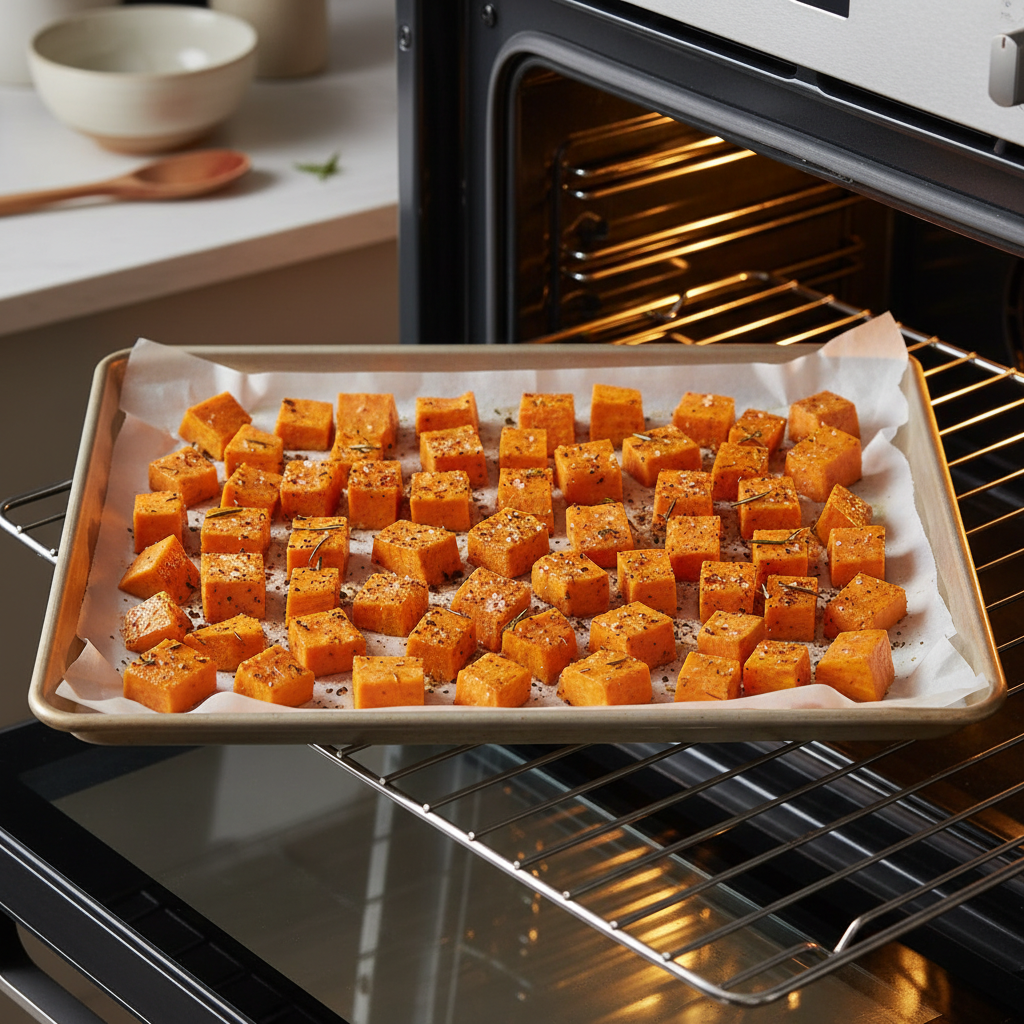
- Sweet Potatoes/Yams: Cube them, make a hash, slice and bake them, or steam them.
- Squash: Cut it, bake it, season it.
- Quinoa: Make it in a rice cooker with water or a little bit of broth.
- Beans/Lentils: Soak them in water, ideally overnight. Pour out that water and let them sit for a couple of hours. Then pressure cook that stuff.
- Long Grain White Rice: Make it in a rice cooker.
Cooking Tips
- Also, fruit itself as a category is very good because it helps feed your gut bacteria. The fiber you find in fruits, your gut bacteria love it. And when you have healthy gut bacteria, you typically have a much healthier body, right? It’s easier to lose weight. Your immune system is stronger. You just feel better in general. So I love that. And they’re also very easy to digest.
- One thing I like to do with my sweet potatoes to make sure they don’t spike blood sugar too much is I add a little healthy fat. So a little bit of, let’s just say, some olive oil or maybe some grass-fed butter or something on top with some salt and pepper is going to help give you some healthy fats and then you’re going to have a really nice, smooth blood sugar. You’re not getting these massive spikes and crashes.
- You can make sweet potato chips. Cut that thing really, really thinly and you either bake it or dehydrate it with some spices, salt, pepper on there. Very good.
- When it comes to carbohydrates, the amount matters. It’s typically like a serving of carbohydrates for most people around dinner is around 50 grams. So that’s around, let’s just say a cup of rice or it’s around six ounces or so of sweet potatoes. So it’s just a reasonable portion. And when you combine that with proteins, healthy fats, and veggies, you have a balanced meal, not going to spike your blood sugar too crazy, and you can still enjoy some carbohydrates.
Serving Suggestions
- A good time to have fruit is before your first meal of the day, whether you’re breaking a fast sometime around 11 or you’re having breakfast in the morning, having a little bit of fruit can be great because it’s so easy for your body to digest, wakes your GI tract up, provides some fiber for healthy digestive tract, and a ton of nutrients.
- In the summer when it’s hot and maybe especially if you’re an athlete and you’re exercising a lot, melons are great. They give you a lot of water content and you can eat a lot of them as well.
- You can make Ezekiel bread sandwiches, can be health-promoting, simple, convenient. That’s great.
- You can put a sweet potato on the side of any other kind of protein and you have a really good meal. So imagine a little sweet potato, maybe like, it’s like a love for this, but you can put it on the side of my fist with a side of some kind of green vegetable with a protein. You have an amazingly healthy meal.
- My wife makes an amazing high protein vegetarian chili that has all different sorts of beans. It has some tomatoes. Occasionally we have it on the side of the quinoa. And it’s a really good way to have a plant-based meal that’s just packed with protein and vitamins. I absolutely love it.
- Imagine if you did have a little bit of rice on the side of a salmon with some grilled asparagus. This could be like a balanced plate of food, if you will. The healthy fats and the protein from the salmon paired with the proper serving of white rice, maybe around a cup with the fiber of the asparagus, it’s going to be a whole, complete, delicious meal that’s not going to spike your blood sugar.
- Good times to have the rice would be maybe for dinner after exercise, if you want to load up on that. And if you have young kids who need a lot of calories, they’re growing, they’re active, they’re playing sports, white rice can be a good fuel source, right?
- When you know rice is a good carb, you can maybe go to some kind of quick meal at a place like and you can get some kind of rice or salad bowl with some protein, with some lettuce and guacamole, and you have a delicious, healthy meal.
And to wrap and tie this up, I’ll tell you about what my daily routine might often look like. Before I have my first meal of the day, I’ll have a single serving or a serving of some kind of fruit. So it might be berries, might be that day. It might be some kind of core fruit. Maybe it’s apples or pears. It might be melon that day, but I pick a fruit and berries are probably my number one because of all the health benefits. And then I go throughout my day. I might have a breakfast that has some eggs or maybe it’s a protein shake or something with some healthy fats in there. For lunch, I’ll have some greens with healthy fats on top of there. It’s a really good thing.
And for dinner, I’ll make what we like to call perfect plates, which is half of the plate is filled with some kind of veggie I love. Our family does a lot of baked asparagus is something. We steam broccoli are common things we have. A quarter of the plate is some kind of protein I love. Could be wild salmon, could be turkey, could be chicken, could be tofu or tempeh if it’s a plant-based meal. And then a quarter of that plate is going to be some kind of healthy carbohydrates. So you might find a yam on my plate. You might find some white rice. It might be some quinoa. I mix it up, but I’m rotating these kinds of things in there. And of course, for lunches, occasionally Ezekiel bread sandwich is one of the quickest, easiest ways you can do to get good nutrition in. And it’s also delicious to have a sandwich once in a while. So I’m a big believer of balancing both the science and the practicality. Because I think when you marry those two things together, you have a routine that’s actually sustainable. And what’s sustainable is what you can stick to. And what you can stick to is what’s going to give you results on an ongoing basis. So throw out these super radical, super restrictive works only in the short-term plans and start thinking from sustainability and also clean, non-processed foods. And you can enjoy your carbohydrates and the right portions at the right time so they can promote your health.
So thank you, my friend. I hope you enjoyed this video. We have another video on my top 10 favorite healthy fats. So if you’re interested in learning more about that, you can check out our. If you have questions, you have comments, something you want to interject in this conversation, drop a comment below. My team and I would love to hear from you. Continue this conversation. Thank you very much, my friend. I’ll see you around our and I’ll talk to you very soon.